
Why a Good Mattress Improves Daily Energy Levels
You set the alarm for 7 hours, maybe 8. You go to bed at a reasonable hour, avoid scrolling through your phone for too long, and do everything “right.” Yet somehow, you wake up feeling drained, stiff, and far from ready to tackle the day. If this sounds familiar, there’s a strong chance the culprit isn’t your sleep schedule; it’s what you’re sleeping on.
Sleep quality matters far more than sleep duration when it comes to how energized you feel during waking hours. A person who gets six hours of uninterrupted sleep on a supportive mattress often wakes up sharper and more refreshed than someone who tosses through nine hours on an old, sagging bed. The difference lies in how effectively your body moves through the sleep cycles that actually restore energy, and that process depends heavily on the surface beneath you. A good mattress directly supports the kind of restorative sleep that translates into mental clarity, stable mood, and sustained energy throughout the day.
Since around 2010, sleep research has consistently demonstrated strong links between mattress quality and daytime alertness. Polysomnography studies, the gold standard for measuring sleep stages, have shown that the right mattress can reduce the time it takes to fall asleep, increase deep sleep percentage, and minimize those frustrating micro-awakenings that leave you feeling groggy. Researchers measuring everything from brain waves to muscle tension have found measurable differences in sleep architecture based on mattress firmness and support.
This article will walk you through exactly how a quality mattress improves your daily energy levels. You’ll learn why proper spinal alignment and pressure relief are foundational, how your mattress affects sleep hormones and stress, and what to look for when choosing a new mattress. By the end, you’ll understand not just that your bed matters, but precisely why it matters, and what to do about it.
How a Good Mattress Translates into More Energy Every Day
Energy isn’t simply about feeling “rested” in some vague sense. It’s the direct result of how efficiently your body cycles through distinct sleep stages during the night, each serving a specific recovery function. When those cycles are interrupted, even slightly, you lose the deep repair work that powers your next day.
A comfortable mattress reduces the micro-awakenings that fragment sleep without you fully realizing it. Every time your body registers discomfort, a pressure point on your hip, a strain in your lower back, or overheating, your brain partially rouses to shift position. These brief disruptions may last only seconds, but they pull you out of deep sleep and rem sleep, the stages where physical and mental recovery actually happen. On a poor-quality mattress, these micro-arousals can occur dozens of times per night, stealing the restorative sleep your body desperately needs.
Deep sleep, known as N3 or slow-wave sleep, is when your body handles the heavy lifting of physical restoration. During this stage, growth hormone is released, muscles are repaired, and the immune system gets a significant boost. REM sleep, on the other hand, is crucial for cognitive function, memory consolidation, and emotional regulation. Both stages require continuity, long, unbroken stretches where your brain can fully engage in restoration. A bad mattress that forces constant repositioning makes sustained time in these stages nearly impossible.
Consider someone who finally replaces a 10-year-old mattress that has developed visible sagging and lumps. Within two to three weeks of sleeping on a new, supportive mattress, they notice something remarkable: they wake up before their alarm, feel alert within minutes of rising, and no longer need that second cup of coffee by noon. This isn’t a placebo; it’s the measurable result of better sleep architecture. Research has documented cases where switching to an appropriate mattress increased REM sleep by 6% and deep sleep by nearly 20%, both of which directly fuel higher energy levels during waking hours.

Spinal Alignment and Muscle Relaxation: The Physical Basis of Restorative Sleep
Waking up pain-free and energized starts with what happens to your spine during the night. When your body maintains proper spinal alignment throughout sleep, you eliminate the tension that forces muscles to work overtime, even while you’re supposedly resting.
A high-quality mattress keeps your spine in its natural S-curve, whether you sleep on your back, side, or stomach. This means your lower back doesn’t collapse into a void left by a sagging mattress, and your upper spine doesn’t curve unnaturally to compensate for inadequate support. The spine is designed to bear load in a neutral position; when that position is compromised for hours at a time, the surrounding muscles and ligaments never fully relax. They remain partially engaged, burning energy and accumulating fatigue that you’ll feel the moment you try to get out of bed.
Surface electromyography studies have measured muscle activity during sleep on different mattress types. The findings are consistent: when sleepers use a mattress that properly supports their body weight and sleep position, muscle tension in the lower back and shoulders drops significantly compared to sleeping on an unsupportive surface. This matters because muscles that can fully relax during sleep require less energy to recover, leaving more resources available for the active hours ahead. Joint stiffness in the morning, that creaky feeling in your neck, hips, and back, is often a sign that your body spent the night fighting your mattress instead of recovering on it.
The firmness that provides proper support varies by body type and sleep position. Side sleepers generally benefit from a medium to medium-soft surface that allows the shoulders and hips to sink slightly while still supporting the waist. Back sleepers typically need a firmer surface to prevent the pelvis from dropping too far into the mattress. Stomach sleepers often require the firmest support to keep the spine from over-arching. When there’s a mismatch between your needs and your mattress, you wake up feeling like you ran a marathon overnight instead of resting.
A mattress that is too soft allows the heavier parts of your body to sink disproportionately, creating pressure points and forcing the spine out of alignment. A mattress that is too firm doesn’t contour at all, leaving gaps under the lumbar region and creating concentrated pressure at the shoulders and hips. Either extreme translates directly into low energy, sluggishness, and the frustrating experience of waking up more tired than when you went to bed. Finding the right mattress means finding the surface that lets your body truly relax and restore.
Pressure Relief and Blood Flow: Fueling the Body Overnight
While you sleep, your circulatory system continues its essential work of delivering oxygen and nutrients to every tissue in your body. Uninterrupted blood flow is fundamental to overnight recovery, and pressure points on a bad mattress directly interfere with this process.
When you lie on a hard or worn-out surface, specific areas, typically the hips, shoulders, and knees, bear a disproportionate amount of your weight. This concentrated pressure compresses blood vessels and nerves, restricting circulation and triggering discomfort signals that your brain can’t ignore. The result is time tossing and turning as your body instinctively shifts to restore blood flow to compressed areas. Each shift partially wakes you, fragmenting the continuous sleep cycles needed for energy restoration.
A supportive mattress with quality comfort layers distributes your body weight more evenly across the entire sleep surface. Instead of creating concentrated pressure at a few contact points, the mattress contours to your shape while providing consistent support. This even distribution keeps blood flowing freely throughout the night, allowing your cardiovascular system to efficiently service recovering tissues without interruption.
Modern foam and hybrid mattress designs developed over the past decade are specifically engineered to optimize pressure relief without sacrificing support. These materials respond dynamically to body heat and weight, cradling pressure-sensitive areas while remaining firm where firmness is needed. The technology has advanced significantly from the uniform surfaces of decades past, offering solutions that were simply unavailable when many people purchased their current mattress. If your bed is more than seven or eight years old, the pressure relief capabilities of newer designs may represent a substantial upgrade for your sleep quality and daily energy.
Sleep Stages, Hormones, and Energy: What Your Mattress Has to Do With It
Your body runs on a complex system of hormones that regulate everything from alertness to appetite, and these hormonal cycles depend heavily on uninterrupted, high-quality sleep. The mattress you sleep on plays a direct role in whether these cycles function optimally.
During deep sleep, your body releases growth hormone, essential for tissue repair, muscle recovery, and cellular regeneration. This hormone surge is one of the primary mechanisms through which sleep restores physical energy. REM sleep, meanwhile, supports brain processing, helping consolidate memories from the day and regulate emotional responses. Both stages require sustained, unbroken periods to fully deliver their benefits. When an uncomfortable mattress causes frequent awakenings, even brief ones you don’t consciously remember, these hormone-dependent processes get shortchanged.
Poor sleep quality on an unsupportive surface can also disrupt cortisol patterns. Cortisol, the body’s primary stress hormone, is supposed to drop to its lowest levels during deep sleep and rise gradually toward morning. When sleep is fragmented, evening cortisol levels can remain elevated, creating that exhausting “tired but wired” sensation where you’re simultaneously depleted and unable to fully relax. This hormonal disruption cascades into the next day, leaving you starting with depleted reserves and elevated stress hormones.
Sleep continuity also influences appetite hormones, ghrelin and leptin, which regulate hunger and satiety signals. When these hormones are thrown off by poor-quality mattress-induced sleep disruption, you’re more likely to experience intense cravings, particularly for quick-energy carbohydrates, and less likely to feel satisfied after eating. The afternoon energy crash, followed by desperate coffee consumption, often has roots not in what you ate but in how poorly you slept.
People who transition to a comfortable mattress that supports adequate sleep often notice the change in their energy patterns before anything else. Fewer afternoon crashes, less reliance on caffeine to push through the day, and more stable energy from morning to evening are common reports. This isn’t imagination; it’s the measurable result of properly regulated hormones finally doing their job without interference from a night spent fighting discomfort.
Reduced Pain, Stress, and Irritability: Protecting the Energy You Have
Chronic pain and elevated stress are two of the most efficient energy drains a person can experience. Even when you technically sleep enough hours, waking up with aches or carrying residual tension burns through your reserves before the day even starts.
Waking up with fewer aches in the back, hips, shoulders, and neck conserves the mental and physical energy that would otherwise be spent simply coping with discomfort. Pain is exhausting. It demands attention, affects concentration, and shortens patience. When your bed leaves you stiff and sore each morning, you start every day already operating at a deficit. A good mattress supports the body in ways that prevent this pain from developing overnight, meaning you wake up with more energy available for the things you actually want to accomplish.
Beyond physical pain, a good mattress contributes to better mental health by supporting the stress regulation that occurs during restful sleep. When you achieve genuine restorative sleep, your nervous system has the opportunity to downshift from the activated state of daily life. Sleep reduces stress by allowing cortisol to normalize and by giving the brain time to process emotional experiences. Poor sleep on an uncomfortable surface keeps stress levels elevated, contributing to irritability, shorter temper, and reduced capacity to handle normal daily challenges.
The connection between better sleep and improved mood extends into relationships and work performance. When you sleep well, you wake with more patience for family members, more tolerance for workplace frustrations, and more motivation to engage with life rather than just survive it. A good night’s sleep on a quality mattress means fewer arguments sparked by exhaustion, better decision-making under pressure, and more energy left over at the end of the day for the activities and people you value.
Over the last decade, multiple sleep studies have associated improved bedding with reductions in self-reported stress, daytime fatigue, and overall well-being. The evidence consistently points in one direction: the surface you sleep on influences not just how your body feels, but how you experience your entire waking life.
Choosing a Mattress That Actually Boosts Your Energy
Not every mattress marketed as “premium” will be the right mattress for your body and sleep style. The energy benefits of a new mattress depend entirely on how well it matches your specific needs.
Assessing your current mattress is the logical first step. Consider how long you’ve had it; most mattresses lose significant support after seven to ten years, even if they still look acceptable on the surface. An old mattress may have developed subtle sagging or material breakdown that you’ve gradually adapted to without noticing the accumulating impact on your sleep setup and daily energy. If you’ve had your current bed for close to a decade, it’s worth evaluating whether it’s still serving your sleep quality or quietly undermining it.
When shopping for a new mattress, consider your body weight, primary sleep position, and whether you share the bed with a partner. Heavier individuals typically need firmer support to prevent excessive sinking, while lighter sleepers often prefer softer surfaces that still contour to their body type. Side sleepers need more give at the shoulders and hips than back sleepers, who benefit from consistent support along the entire spine. If you share a bed, motion transfer becomes important; a partner’s movements shouldn’t wake you throughout the night.
Testing a mattress properly requires more than a quick sit on the edge. Spend at least 10 to 15 minutes lying in your usual sleep positions, paying attention to how your lower back feels supported, whether your shoulders and hips can sink comfortably without creating pressure, and whether you feel any strain holding your position. Cooling mattresses or those with breathable materials are worth considering if you tend to overheat, since temperature regulation affects sleep continuity and your ability to regulate body temperature throughout the night.
Generous at-home trial periods, typically ranging from 90 to 365 nights, offer valuable protection when making this decision. A mattress might feel good for 15 minutes in a showroom but reveal problems after a few weeks of actual sleep. The trial period gives you real data: do you wake up more easily? Do you need less coffee? Do you feel increased energy levels in the afternoon? These practical outcomes matter far more than showroom impressions when evaluating whether a mattress truly works for your body.
Daily Habits That Work With Your Mattress to Maximize Energy
Even the best mattress performs optimally when paired with supportive sleep hygiene habits. Your bed provides the foundation, but your routines determine how well you use it.
Maintaining a consistent sleep schedule, including weekends, helps stabilize your circadian rhythms and allows your body to develop reliable expectations about when sleep will occur. This consistency works with a comfortable mattress to help you fall asleep faster and cycle through sleep stages more efficiently. When your brain knows what time to expect sleep, it begins preparing in advance, making the transition into restorative stages smoother and more complete.
A wind-down routine in the hour before bed takes advantage of the inviting, supportive feel your mattress provides. Dim the lights to signal to your brain that sleep is approaching. Consider light stretching to release physical tension accumulated during the day. Reading on paper rather than screens helps your eyes and mind relax. When you finally get into bed, your body should already be primed for the rest your mattress makes possible.
Limiting heavy meals, caffeine, and intense screen use in the hour or two before bed removes obstacles to quality sleep that even the best mattress can’t overcome. A full stomach requires digestive energy that interferes with sleep depth. Caffeine lingers in your system for hours, reducing your ability to enter deep sleep even if you fall asleep without difficulty. Blue light from screens suppresses melatonin, the hormone that signals your body it’s time for rest.
Simple bedroom environment adjustments complement mattress comfort. A cool room temperature, typically between 60 and 67 degrees Fahrenheit, supports the natural body temperature drop that occurs during sleep. Blackout curtains eliminate light pollution that can fragment sleep architecture. A quiet environment or consistent white noise prevents the auditory disruptions that trigger micro-awakenings. Together, these elements create the conditions where a supportive mattress can fully deliver on its promise of better sleep and higher energy levels.
When to Replace Your Mattress to Restore Lost Energy
Many people keep their mattresses far beyond their effective lifespan, gradually losing energy without recognizing the connection. The decline happens so slowly that it’s easy to normalize feeling tired every morning.
Recognizing the signs that your mattress has outlived its usefulness requires honest self-assessment. Visible sagging or lumps are obvious indicators, but subtler signs matter too. If you consistently wake up sore in the back, hips, or shoulders without any other explanation, your mattress may no longer be providing adequate support. If you notice that you sleep significantly better in hotels, at friends’ houses, or even on your own couch, that’s a strong signal that your primary sleep surface has deteriorated. Feeling drained despite seemingly adequate sleep duration points toward sleep quality problems that an old mattress can cause.
If your mattress is older than eight to ten years, an honest evaluation is worthwhile even if obvious problems aren’t visible. Internal materials break down over time, losing their resilience and support characteristics. A mattress that felt perfect when new may now be creating subtle misalignment and pressure issues that fragment your sleep night after night. The gradual nature of this deterioration makes it easy to miss; you adapt to slightly worse sleep without realizing how much energy you’re losing.
When considering a replacement, keep a simple two-week energy log after switching to a new mattress. Note how you feel upon waking, whether you need an alarm to rise, how much caffeine you consume, and whether you experience afternoon fatigue. Compare these notes to how you felt in the final weeks on your old mattress. Measurable improvements in these markers, earlier natural waking, fewer naps, less grogginess, and sharper focus throughout the day confirm that the change was worthwhile and that your investment in sleep is paying dividends in daily life.
Final Thoughts: Invest in Sleep to Invest in Your Energy
A good mattress supports far more than comfort; it enhances spinal alignment, delivers consistent pressure relief, maintains hormone balance, and helps regulate the stress responses that determine how you feel every day. These factors combine to protect and produce the daily energy that makes everything in life easier, from work performance to patience with loved ones to the motivation to exercise and pursue goals.
Upgrading from an unsupportive or aging mattress isn’t merely a comfort decision. It’s a long-term health investment with returns you’ll notice every morning. The difference between starting the day depleted and starting it energized cascades through every hour that follows. Your well-being, your productivity, and your relationships all benefit when you’re operating from a foundation of genuine, high-quality sleep rather than fighting through fatigue.
View your mattress as essential infrastructure for the life you want to live. Take an honest look at your current sleep setup. Consider whether you’ve been normalizing a bad night’s sleep or accepting energy levels lower than what you deserve. The energized, sharper, more resilient version of yourself isn’t found in another productivity hack or supplement; it’s often just waiting on the other side of a mattress that actually works for your body.
Get Your Mattress from Furniture Max Today
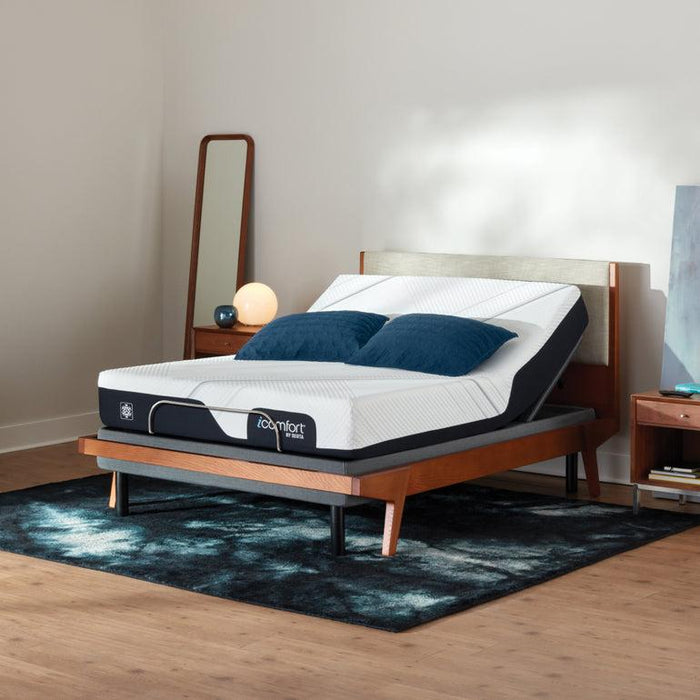
A great night’s sleep starts with the right mattress. At Furniture Max, our mattress collection features a variety of options designed for comfort, support, and long-lasting quality. From memory foam and hybrid models to traditional innerspring designs, each mattress is crafted to help you rest better and wake up refreshed.
Explore our mattress collection today and find the perfect mattress for your sleep style. Whether you’re upgrading your bed or furnishing a guest room, Furniture Max has the right mattress to make every night more comfortable and every morning more energizing.
