
How to Choose a Recliner That Fits Your Room Perfectly

Finding the right recliner isn’t just about sinking into something comfortable at the showroom. The goal is a chair that fits both your living space and your body, not a piece of furniture that dominates the room or leaves you feeling cramped.
Recliners end up in all kinds of spaces: spacious living room setups, cozy dens, dedicated home theaters, compact apartment corners, and even multi-use spaces that double as guest rooms. When sizing goes wrong, you end up with a leg rest that blocks the doorway, a backrest that covers half a window, or a chair so oversized it makes everything else feel crowded. The key factors covered here include room measurements, body fit, recliner type, clearance needs, style coordination, and budget considerations.
-
Measure your room before shopping, not after delivery day
-
Match the recliner size to your height and seating position
-
Pick a mechanism type that suits your room layout
-
Plan for traffic flow and focal points
-
Coordinate style and material with existing furniture
-
Balance features against price and available space
-
Test the fit in store or confirm dimensions for online orders
Additionally, selecting the right material for your recliner and understanding the different recliner styles, such as glider, high-leg, manual, power, and swivel, are also crucial for finding a recliner that fits your room and lifestyle.
Measure Your Room for a Recliner That Actually Fits
Measuring the room is the first step, and it should happen before you visit a showroom or start browsing online. Skipping this creates expensive mistakes when the delivery truck arrives.
What to Measure
Start with the intended recliner spot. Measure the wall length, the distance to other furniture like sofas and coffee tables, and note where windows, doors, radiators, and electrical outlets sit. In a 12’ x 15’ living room where the TV wall is 15’ wide, you’ll want at least 30–36 inches of walkway around where the recliner will go.
The crucial detail most people miss is the difference between the footprint when upright versus fully reclined. A standard recliner might measure 33 inches deep when closed but extend to 56 inches when the leg rest is out. That’s nearly five feet of floor space the chair occupies during use.
Before buying any recliner, tape out its full reclined dimensions on the floor using painter’s tape or a yoga mat. This simple trick lets you visualize exactly how much space disappears when someone kicks back.
Traffic flow matters as much as raw dimensions. Avoid placing the leg rest where it swings into the main path between the sofa, TV, and doors. A recliner that technically fits but blocks the route to the kitchen will annoy everyone in the household.
Before you buy, measure these:
-
Wall length where the recliner will sit
-
Distance from intended spot to nearest furniture (sofa, coffee table, end tables)
-
Window sill height and door swing paths
-
Location of electrical outlets (especially for power recliners)
-
Closed dimensions of the recliner (width × depth × height)
-
Fully reclined depth (typically 50–60 inches for standard models)
-
Minimum walkway space needed around the chair (30–36 inches recommended)
Match the Recliner Size to Your Body and Seating Position
A recliner can technically fit the room, but still feel wrong if it doesn’t match your height and proportions. The perfect chair supports your body correctly, whether you’re reading, watching tv, or napping.
Key Fit Checks
When you sit in a recliner, your feet should rest flat on the floor with your knees at roughly 90 degrees. Your back should feel fully supported with lumbar support hitting the right spot, and your head should rest comfortably on the headrest when you lean back, not float in space or get pushed forward.
Seat depth is critical here. If the seat is too deep, it presses into the back of your calves and cuts off circulation. Too shallow, and your upper legs hang off the edge without proper support.
Height Guidelines
Recliner sizing generally breaks down like this:
|
User Height |
Recommended Size |
Typical Seat Depth |
|---|---|---|
|
Under 5’4” |
Petite/Small |
18–20 inches |
|
5’4”–5’10” |
Standard/Medium |
20–22 inches |
|
5’10” and above |
Tall/Large |
22–25 inches |
These are guidelines, not strict rules. Someone with a longer torso but shorter legs might need a different combination than these ranges suggest. Taller individuals often need extended back heights over 30 inches for proper head and neck support.
Seat Width and Armrest Spacing
Make sure there’s enough room to sit without feeling squeezed between the armrests, but not so wide that you lean sideways searching for support. Standard seat widths run 20–30 inches, while big and tall variants offer 25–34 inches.
For households with multiple users of different heights, choose a “best compromise” size that works for most. If heights vary dramatically, say a 5’2” and a 6’4” person, both want the recliner; consider planning for two different recliner chairs if space allows, rather than forcing one person to sacrifice comfort.
Body-fit checklist:
-
Feet flat on the floor when seated upright
-
Knees bent at approximately 90 degrees
-
Full back contact with lumbar support in the right position
-
The head rests naturally on the headrest when reclined
-
Seat width allows comfortable sitting without squeezing
-
Armrests are at a natural, relaxed height for your arms
Choose the Right Recliner Type for Your Room Layout
Different recliner mechanisms affect how much clearance they need and where they work best. Choosing the right recliner should be recliner-based, taking into account your room size and layout for optimal comfort and functionality. Understanding these types of recliners helps you pick one that actually fits your room layout rather than fighting against it. For smaller rooms or apartments, space-saving recliners are available, offering comfort without taking up excessive space.
Traditional Recliners
The classic manual recliner uses a lever or handle to extend the footrest and recline the back. These are straightforward and reliable but need 6–10 inches of clearance behind the chair from the wall. They work well in a spacious living room where you can pull the chair away from the walls.
Wall Hugger Recliners
A wall hugger (sometimes called a space saver) slides the seat forward as it reclines, reducing rear clearance to just 2–6 inches. These are ideal for smaller rooms, apartments, and anywhere you want the recliner close to a wall without sacrificing full reclining function. Many recliners in this category can work with as little as 4 inches of wall clearance.
Rocker and Glider Recliners
Glider recliners provide a gentle rocking motion, making them popular for nurseries and reading corners. However, they shouldn’t sit flush against walls or low consoles since the base needs room to move. Rocker recliners work similarly but with more pronounced motion.
Swivel Recliners
Swivel recliners rotate 360 degrees on their base, making them excellent for open-plan layouts with multiple focal points. In a great room where you might watch TV one moment and turn to chat with someone in the kitchen the next, swivel recliners offer flexibility. Just ensure they’re positioned away from coffee tables and other furniture that the swinging leg rest might hit.
Power Recliners
Power recliners use an electric motor controlled at the push of a button, often with additional features like power headrests and adjustable lumbar support. They need access to electrical outlets, which limits placement options. Many recliners with power features also include extras like built in usb charger ports and cup holders.
High Leg Recliners
A high leg recliner looks more like a traditional accent chair with visible legs. This style works well in living spaces where you want recliner features without the bulky recliner look. The elevated design also makes these easier to get in and out of for anyone with mobility concerns.

If your room is X, consider the Y type:
-
Small city apartment or compact apartment: Wall hugger or apartment-size recliner
-
Narrow den against a wall: Wall hugger
-
Open-plan family room: Swivel recliners
-
Nursery or reading corner: Glider recliners
-
Formal living room: High leg recliner
-
Home theater: Power recliners with customizable reclining features
-
Tighter spaces near outlets: Power recliners with shorter cords
Plan Clearance, Traffic Flow, and Focal Point
Fitting a recliner is about movement through the room as much as raw dimensions. A chair that fits when closed but blocks half the room when open creates daily frustration.
Maintain Walking Space
Keep at least 30 inches of walkway behind or beside the recliner so people can pass even when someone is seated and reclined. In multi-use spaces like living rooms that connect to kitchens or hallways, this matters even more. Nobody wants to wait for someone to close the recliner just to walk past.
Position Relative to Focal Point
The recliner should face the room’s main focal point, usually the TV, fireplace, or a large window with a view. Positioning matters for ergonomic support and simple comfort. If someone has to twist their neck 45 degrees to watch a show, that recliner placement fails, no matter how well the dimensions work.
Sketch your room on paper or use a free digital room-planning tool before committing to a layout. Moving rectangles on a screen is much easier than pushing 155 pounds of furniture around your living room.
Door and Drawer Clearance
Check that doors, balcony sliders, and nearby storage can open with the recliner both closed and fully extended. TV unit doors, sideboard drawers, and closet doors are common problems. A recliner that blocks access to storage becomes an annoyance fast.
Layout Examples
Reading corner setup: Place a wall-hugger recliner beside a window with a small side table for a lamp. The chair faces into the room at a slight angle, getting natural light without blocking the window. Leave 30 inches between the footrest position and the nearest walkway.
TV-watching setup: Position the recliner facing the television, angled 20–30 degrees from the sofa so sightlines from both seats reach the screen without obstruction. The ideal recliner spot leaves 7–10 inches on each side for passage and keeps the leg rest from extending into the main traffic path.
Clearance rules to double-check before buying:
-
30+ inches of walkway maintained when the recliner is open
-
The recliner faces the focal point without requiring neck twisting
-
All nearby doors and drawers can open fully
-
Leg rest doesn’t extend into main traffic paths
-
Electrical outlets accessible for power recliners (consider 6-foot cord length)
-
Floor protection in place for heavy furniture on hardwood
Coordinate Style, Color, and Material With the Rest of the Room
Even a perfectly sized recliner can feel wrong if its style clashes with existing furniture. The chair should complement your space, not compete with it.
Choosing the right material for your recliner is also crucial. Recliners are available in various materials, including leather, fabric, and microfiber, each offering different benefits in terms of comfort and maintenance. Consider factors such as durability, ease of cleaning, appearance, cost, and suitability for your lifestyle when selecting the right material.
Style Directions
Different recliner styles suit different aesthetics:
|
Room Style |
Recliner Features That Work |
|---|---|
|
Modern/Minimal |
Slim arms, metal or wooden legs, clean lines |
|
Classic/Traditional |
Rolled arms, button tufting, classic look details |
|
Rustic/Farmhouse |
Distressed leather, oversized cushions, warm tones |
|
Cozy Family Room |
Overstuffed cushions, soft fabrics, neutral colors |
A larger recliner with thick padding and rolled arms anchors a traditional living room beautifully. The same chair in a minimalist apartment overwhelms the space visually.
Material Pros and Cons
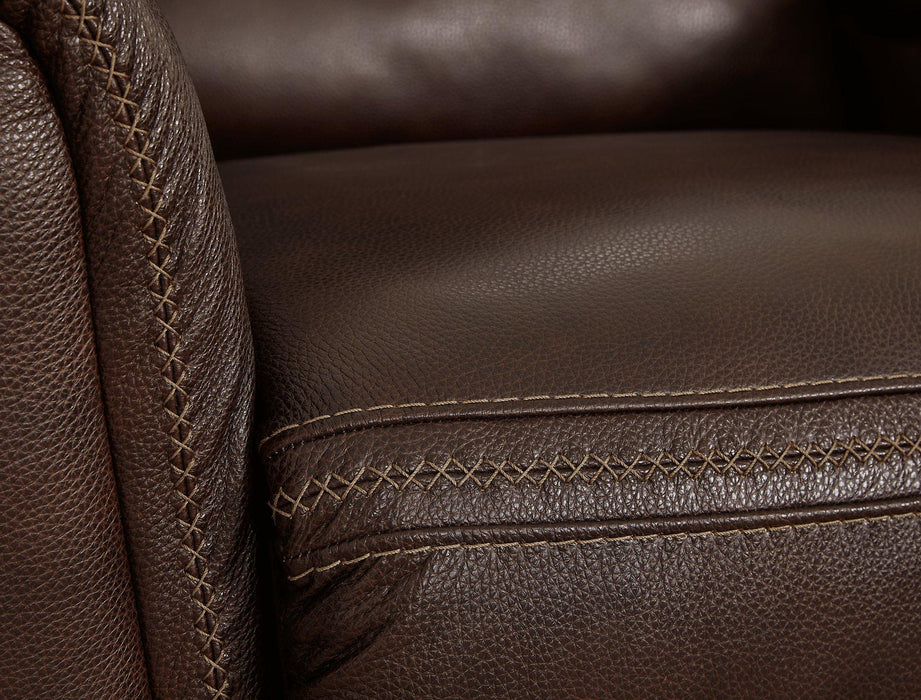
Leather and Faux Leather: Easy to wipe clean, ages gracefully (real leather), cooler in summer, but can feel cold initially. Faux leather offers a similar look at a lower cost but may crack over time. Excellent for households without pets that scratch.
Fabric and Microfiber: Softer and warmer to the touch, available in countless colors and patterns. Requires more maintenance with spills, but often more comfortable for extended sitting.
Performance Fabrics: Engineered to be stain-resistant, these work well in homes with kids, pets, or frequent entertaining. Many recliners now come upholstered in performance fabrics as a default option.
Color Coordination
Tie the recliner’s color to existing elements in your room:
-
Match the sofa tone for a cohesive seating group
-
Pick an accent color from a rug, artwork, or throw pillows
-
Choose a neutral (gray, beige, charcoal, taupe) when uncertain
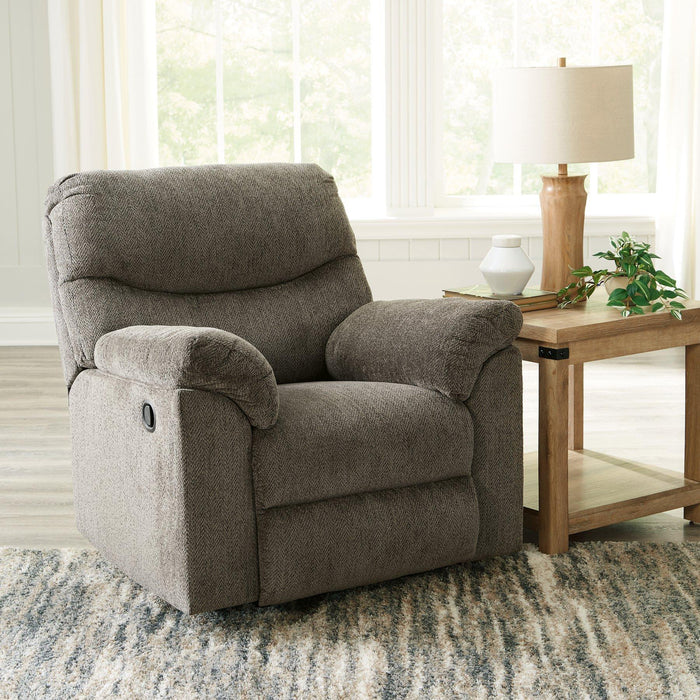
A charcoal fabric recliner pairs naturally with a light gray sectional in contemporary apartments. A warm brown faux leather recliner grounds a wood-accented TV room with a cozy feel.
Scale and Visual Weight
In smaller rooms, prefer slimmer arms and legs off the floor; the visible floor space beneath the chair makes the room feel larger. In bigger spaces, an oversized recliner can anchor a seating zone and add presence without feeling lost.
Style matching tips:
-
Match recliner arm style to sofa arm style (rolled with rolled, square with square)
-
Consider leg finish matching other wood tones in the room
-
In small spaces, choose recliners with visible legs rather than skirted bases
-
Test fabric samples against existing upholstery in natural and artificial light
-
A larger recliner works as a statement piece; keep surrounding decor simpler
Balance Features and Budget Without Overcrowding the Room
Extra features like power mechanisms, heat, massage, USB ports, storage arms, and cup holders add effortless comfort but affect both price and bulk. The question is which recliner features justify the added cost and space.
Power Recliner Considerations
Power recliners need access to outlets, either wall outlets or floor outlets. Plan cable management so cords don’t cross main walkways or create tripping hazards. Many models include 6-foot cords, which limit placement flexibility.
The personalized comfort of power controls, especially power headrests for neck support, makes a real difference for daily use. But if outlet access is limited, manual recliners avoid the cord problem entirely.
Prioritize Your Must-Haves
Rather than buying every upgrade, identify 2–3 specific features that matter most:
-
Power mechanism: Ideal for anyone with mobility concerns or who reclines frequently
-
Wall-hugger design: Essential for tighter spaces
-
Adjustable headrests: Important for taller individuals or neck support
-
Lumbar support: Critical for back support during extended sitting
-
Cup holders: Nice for home theater setups, less necessary elsewhere
Features like heat and massage sound appealing, but add cost and mechanical complexity. Consider how often you’d actually use them.
Price Tiers by Feature Level
|
Category |
Typical Features |
Relative Cost |
|---|---|---|
|
Entry Manual |
Basic recline mechanism, fixed headrest |
$ |
|
Mid-Range Power |
Electric recline, some adjustability |
$$ |
|
Premium Power |
Power headrests, lumbar, USB charging, and massage |
$$$ |
A simpler manual recliner delivers excellent reclining comfort for a fraction of premium model costs. For extra pampering and maximum comfort, feature-rich power recliners justify the investment if used daily.
Recliner Versus Reclining Sofa
In small living space situations, one feature-rich recliner often works better than a bulky reclining sofa. Recliner sofas need more floor space and may include mechanisms you’ll never use. A single well-chosen recliner plus a regular sofa often provides better flexibility.
Decision checklist for features:
-
Will I use this feature weekly, or was it just cool in the showroom?
-
Does this feature add significant bulk to the chair’s footprint?
-
Can I access an outlet conveniently for power features?
-
Is the added cost worth the added comfort for my recliner needs?
-
Does this feature exist on a more compact model?
Consider Brand Reputation and Warranty for Long-Term Satisfaction
When searching for the perfect recliner, it’s important to look beyond just comfort and style; brand reputation and warranty coverage play a major role in long-term satisfaction. Choosing a recliner from a trusted brand means you’re more likely to enjoy years of reliable use, whether your chair is the centerpiece of a spacious living room or a cozy addition to a compact apartment. A reputable brand stands behind its products, offering peace of mind that your investment is protected and that help is available if you ever need it.
Researching Trusted Brands
Not all recliners are created equal, and the brand you choose can make a significant difference in quality, durability, and available recliner features. Top brands like La-Z-Boy, Ashley, and Southern Motion have built their reputations on producing high-quality recliner chairs with a wide range of options. Whether you’re interested in classic manual recliners, advanced power recliners, or soothing glider recliners, these brands offer different recliner styles to suit every taste and need.
For example, La-Z-Boy is renowned for its classic manual recliner, offering timeless comfort and reliability. Ashley, on the other hand, is known for its innovative power recliners, which often include customizable reclining features, adjustable headrests, lumbar support, built-in USB chargers, and even cup holders for added convenience. When comparing brands, take time to read customer reviews and testimonials; these real-life experiences can reveal how well a recliner performs over time and how the company handles any issues that arise.
Understanding Warranty Terms
A comprehensive warranty is a key factor when investing in a recliner, especially if you’re considering models with advanced features like power headrests and enhanced lumbar support. A good warranty not only covers the basics, such as the frame and reclining mechanism, but also extends to upholstery and electronic components. Look for brands that offer warranties lasting at least 5 to 10 years on major parts, and check if they provide options for extended coverage or protection plans.
Understanding the details of what’s covered, and for how long, can save you from unexpected repair costs down the road. For instance, a warranty that includes both the power mechanism and the lumbar support system ensures you’re protected if any high-use features develop issues. Before making your final decision, review the warranty terms carefully so you know exactly what’s included with your new recliner.
Customer Service and Support
Excellent customer service is just as important as a strong warranty when it comes to enjoying your recliner for years to come. Brands with dedicated support teams, online resources, and authorized service centers make it easy to get help if you ever encounter a problem. Whether you need assistance with a power recliner’s mechanism or have questions about care and maintenance, responsive customer service can make all the difference.
If you’re outfitting a spacious living room or maximizing comfort in a compact apartment, knowing that your chosen brand stands behind its products gives you confidence in your purchase. Should you ever need a repair or replacement, a reputable company will work quickly to resolve your concerns, so you can get back to relaxing in your perfect recliner without hassle.
By considering brand reputation, warranty coverage, and customer support, you’ll be well on your way to finding a recliner that not only fits your room and style but also delivers lasting comfort and satisfaction.
Test the Fit (In Store or at Home) Before You Commit
A final comfort and fit test confirms that the recliner works for both your body and your room. Shopping smart means not skipping this step.
What to Test In Person
Visit a showroom if possible and test these elements:
-
Seat height: Can you sit down and stand up easily?
-
Seat depth: Does the cushion support your full thigh without calf pressure?
-
Back support: Does the lumbar area hit correctly?
-
Headrest alignment: Does your headrest align naturally without straining?
-
Mechanism operation: Can you work the recline easily, whether manual lever or push button?
Mimic Real-Life Use
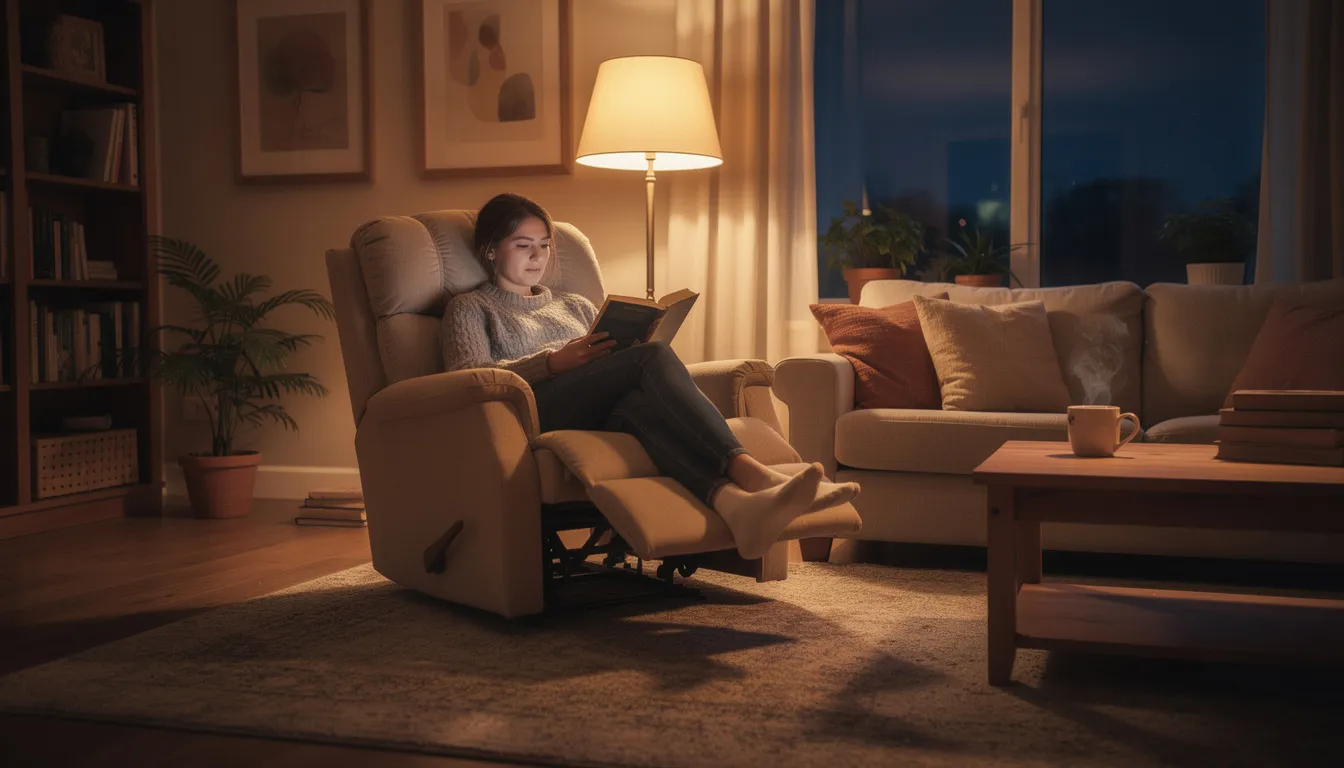
Don’t just sit; actually use the chair the way you would at home. Settle into a reading position with a book or phone. Shift to a TV-watching position. Go fully reclined as if napping. Spend at least five minutes in each position.
One chair might feel great for the first minute, but become uncomfortable after ten. The ultimate comfort of a recliner shows up during extended sitting, not quick tests.
Testing Online Purchases
For online orders where you can’t test first, take extra precautions:
-
Compare every product dimension against your taped-out floor area
-
Check seat height against your lower leg measurement (floor to back of knee)
-
Verify seat depth against your upper leg length
-
Read reviews from users with similar heights
-
Confirm return and exchange policies before ordering
Many recliners arrive disassembled, so also verify that the boxed dimensions (often around 36 × 36 × 37 inches for standard models) will fit through your doorways. A 33-inch-wide chair won’t squeeze through a 28-inch hallway, even in pieces.
Taking measurements and doing these checks now avoids the frustration of discovering problems after a 155-pound box arrives at your door.
Final room-fit checklist before buying:
-
[ ] Room measurements recorded (wall length, furniture distances, outlet locations)
-
[ ] Recliner dimensions confirmed (closed and fully reclined footprint)
-
[ ] Clearance verified (30+ inches walkway, door swings clear)
-
[ ] Body fit confirmed (seat height, depth, back support match your proportions)
-
[ ] Style and material coordinate with existing furniture
-
[ ] Features prioritized against budget and space constraints
-
[ ] Return policy understood in case adjustments are needed
Your perfect recliner awaits, one that fits your room, your body, and your daily routine. Start with a tape measure, work through these steps, and relax knowing you’ve chosen a chair that belongs exactly where you put it.
Get Your Recliner Furniture at Nova Furniture Gallery Today

Recliner furniture adds comfort and relaxation to your everyday living space. At Nova Furniture Gallery, our recliner furniture collection includes chairs, sofas, and sectionals designed for support, ease of use, and lasting comfort. Each piece is selected to help you unwind while fitting seamlessly into your home.
Explore our recliner furniture selection today and find the right option for your space. Whether you’re creating a cozy corner or upgrading your living room seating, Nova Furniture Gallery offers recliner furniture that combines comfort, functionality, and style.
