
What Is the Standard Depth of Comfortable Living Room Furniture
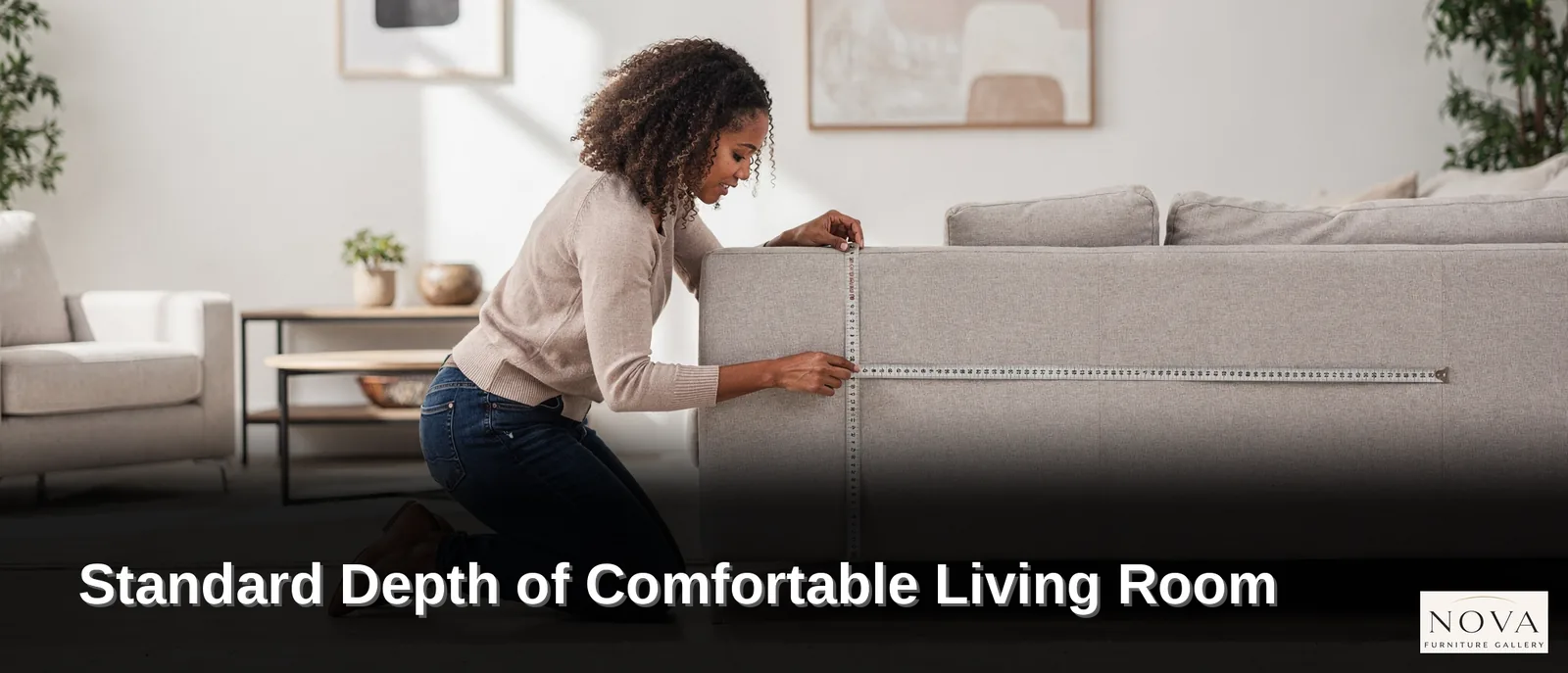
Comfortable living room sofas typically measure 36 to 42 inches in overall depth, with seat depth ranging from 21 to 25 inches. Shallower seats suit upright, supportive sitting, while deeper cushions favor relaxed lounging. Shoppers should factor in height, sitting style, seat height, and seat pitch before choosing furniture dimensions.
What is standard living room furniture depth?
Standard Living Room Furniture depth varies by piece, but most sofas fall between 36 and 42 inches in overall depth. Seat depths typically range from 21 to 25 inches. A common sofa size measures 40 inches deep, 60 inches wide, and features a 19-inch seat height. These dimensions provide a balanced starting point for most living rooms.
How does seat depth affect comfort?
Seat depth determines how much room a person actually has to sit. Shallower seats (21-22 inches) feel more upright and supportive, making them ideal for formal conversations or smaller frames. Deeper seats (24-25 inches) allow for relaxed lounging, often requiring throw pillows for proper back support. The wrong depth forces guests to perch on the edge or sink too far back.
|
Depth Type |
Overall Range |
Seat Range |
Best For |
|---|---|---|---|
|
Standard |
36-38 inches |
21-22 inches |
Upright sitting, small spaces |
|
Deep |
40-42 inches |
23-25 inches |
Lounging, taller individuals |
What happens when depth is wrong?
A sofa that is too shallow may leave legs unsupported for some users, potentially creating discomfort during movie nights. A sofa that is too deep makes sitting upright feel like leaning backward, straining the lower back. Measuring the room and testing seat depth before purchase prevents these common mistakes. Customers who skip this step often return furniture within 30 days.
How does seat depth affect comfort?
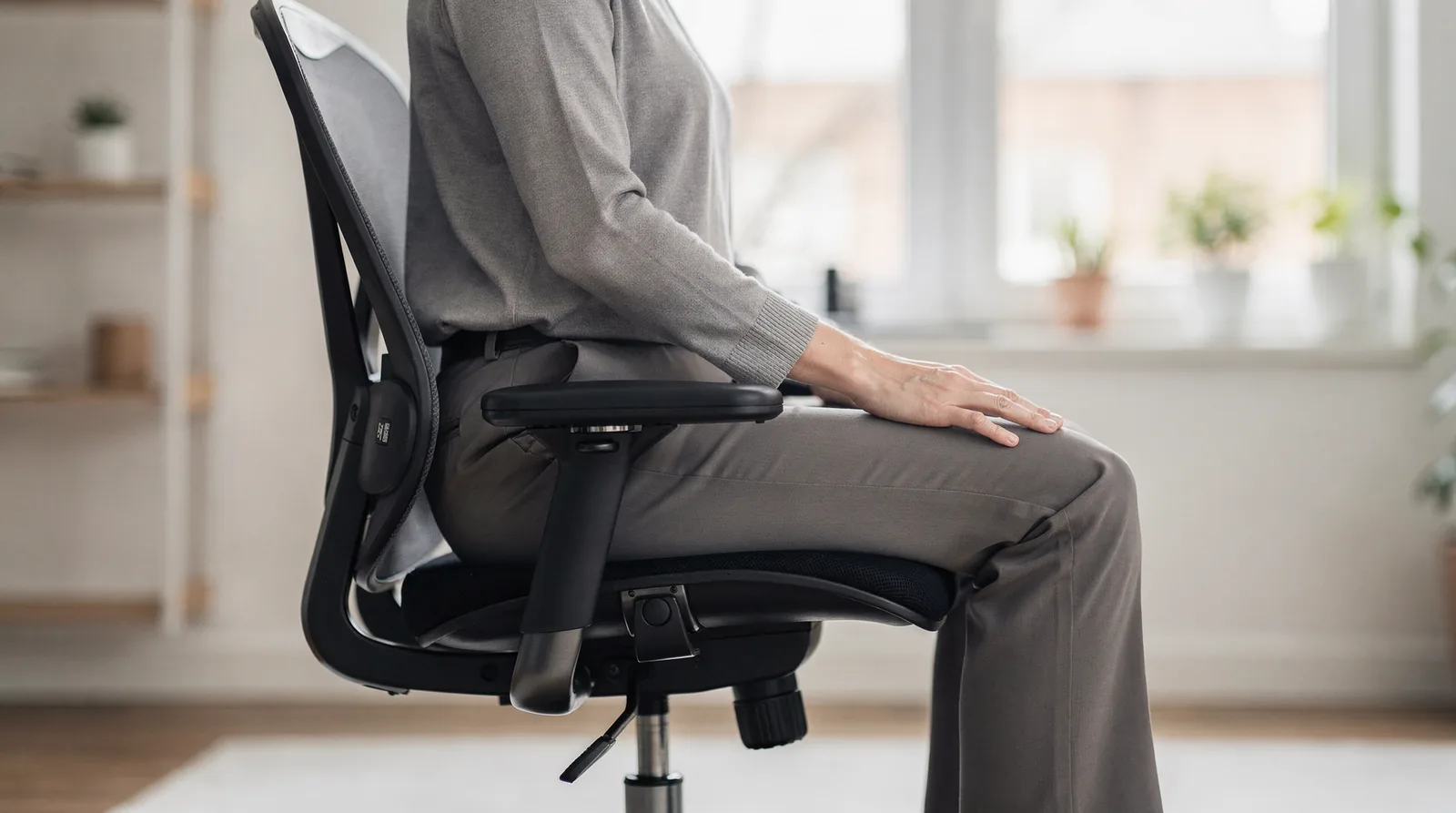
Seat depth directly determines whether a sofa feels supportive or forces a slouch. A mismatch between seat depth and the user’s body creates discomfort within minutes, not hours. Clients who choose the wrong depth often find themselves shifting positions constantly, unable to relax fully.
What happens when a sofa is too deep?
A sofa that is too deep prevents the user from sitting with their back against the backrest while their feet rest comfortably on the floor. This forces the sitter to either slouch forward, straining the lower back, or sit on the edge of the cushion, losing the support of the backrest entirely. Shallower sofas feel more upright and supportive, making them ideal for formal conversation or dining. Deeper sofas allow for more relaxed lounging. The user can curl up or recline with a throw pillow for lumbar support.
How do seat height and pitch change the feel?
Seat height can make the same seat depth feel deeper or shallower. A lower seat height paired with a deep seat creates a lounging posture. A higher seat height with the same depth forces a more upright position. Seat pitch and back frame height also affect how upright or relaxed a sofa feels. A steeper pitch tilts the pelvis forward, reducing the effective seat depth, while a flatter pitch increases it.
|
Factor |
Effect on Comfort |
|---|---|
|
Shallow seat depth (21-22 inches) |
Supports upright posture, good for short users or formal settings |
|
Deep seat depth (24-25 inches) |
Encourages lounging, requires taller users or extra pillows |
|
Low seat height |
Makes deep seats feel even deeper, ideal for reclining |
|
High seat height |
Makes shallow seats feel more supportive, good for elderly users |
The ideal combination depends on the user’s height and how they intend to use the sofa. A family room used for movie nights benefits from deeper seats. A formal Living Room Furniture arrangement calls for shallower, more upright seating.
What is the ideal seat depth for lounging?
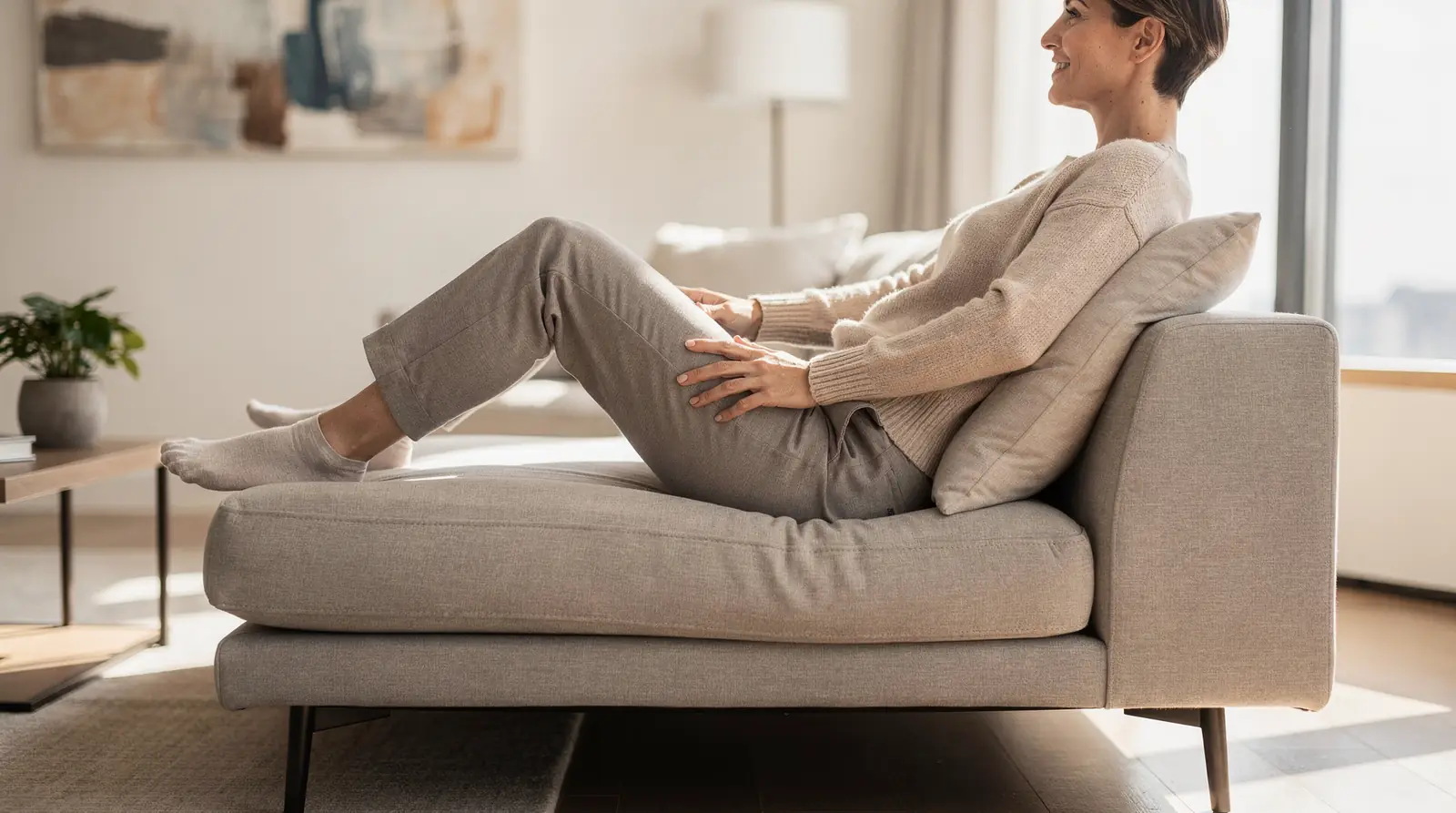
The ideal seat depth for lounging typically falls between 21 and 25 inches. Deeper cushions allow for more relaxed, reclined postures. For most people, a standard seat depth, which is what many manufacturers use, provides plenty of comfort for everyday use. Choosing the wrong depth turns a relaxing sofa into an uncomfortable perch.
How does seat depth affect lounging comfort?
Seat depth determines how much of the leg the cushion supports. A standard depth of 21 to 22 inches keeps the sitter upright, with feet apart on the floor. A deeper seat, around 24 to 25 inches, allows the knees to bend at a wider angle, encouraging a lounging posture. Shoppers who prefer to curl up or recline benefit from deeper cushions. Those who sit upright for conversation or reading need a shallower seat to avoid pressure behind the knees.
What features enhance a lounging sofa?
Living Room Furniture designed for lounging often includes mechanical adjustments. A zero-gravity mechanism and extended ottoman offer added comfort by tilting the body into a weightless position. This feature reduces spinal pressure and improves circulation during extended sitting. The extended ottoman supports the full length of the lower legs, preventing the dangling discomfort common on standard-depth sofas.
|
Lounging Feature |
Benefit |
Ideal For |
|---|---|---|
|
Standard seat depth (21–22 in) |
Upright support, easy standing |
Conversation, reading |
|
Deep seat depth (23–25 in) |
Relaxed posture, leg room |
Lounging, napping |
|
Zero-gravity mechanism |
Reduced spinal pressure |
Extended relaxation |
|
Extended ottoman |
Full lower-leg support |
Taller individuals |
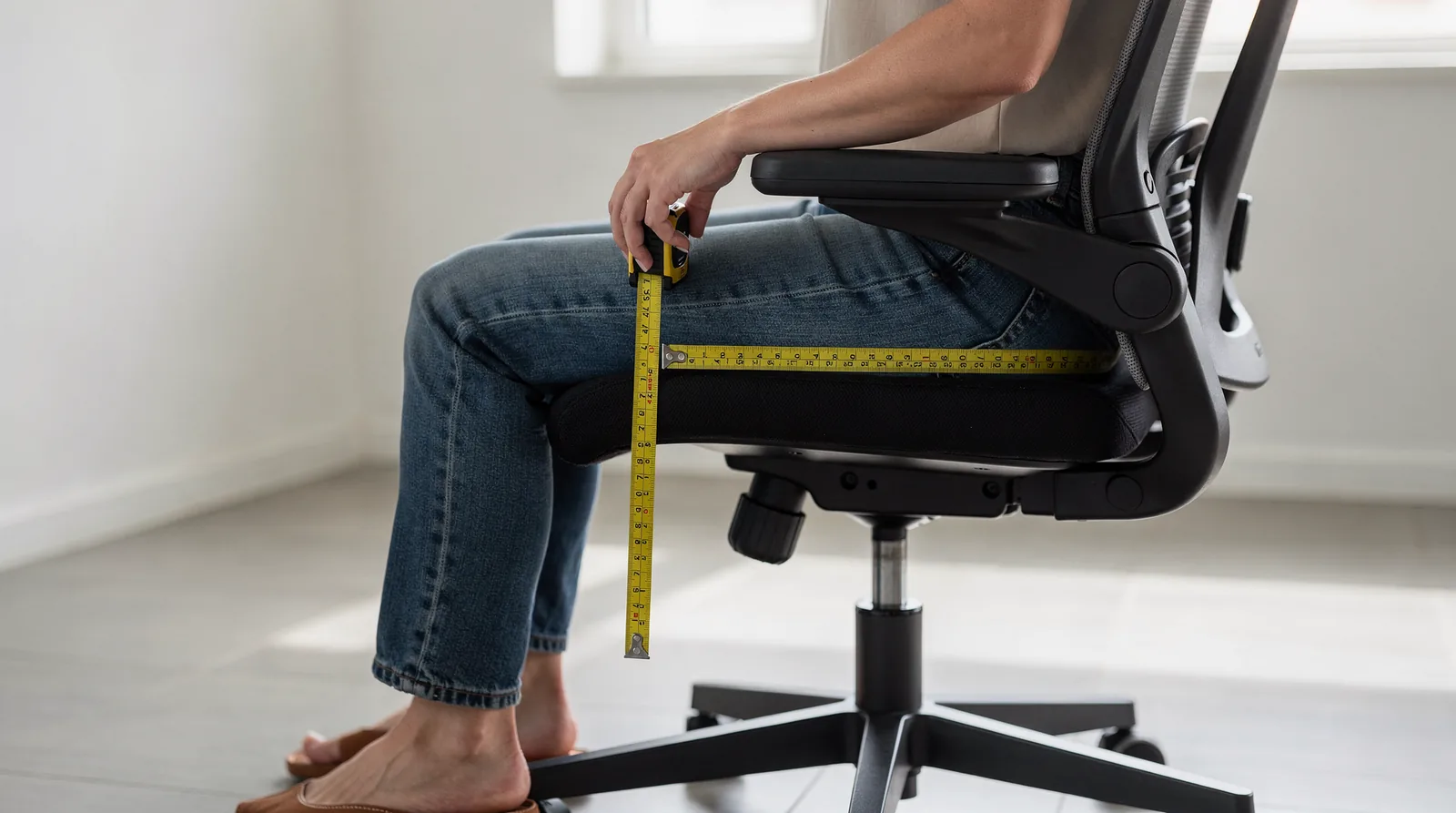
When determining the seat depth for an upholstered or cushioned piece of furniture, only measure the area actually available for sitting. This means measuring from the front edge of the cushion to the point where the back cushion begins. Ignoring this distinction leads to purchasing a sofa that feels either too cramped or too cavernous for the intended use.
How do I measure seat depth correctly?
Measuring seat depth correctly starts at the front edge of the seat cushion and extends to the back of the seat. This method captures the actual sitting surface rather than the overall sofa depth, which includes the back frame and pillows. A wrong measurement leads to a sofa that feels either cramped or cavernous, forcing guests to sit awkwardly or sink too far back.
What is the difference between seat depth and cushion depth?
Seat depth measures the usable sitting area from the front cushion edge to the backrest. Cushion depth shows how much space the back frame and pillows take up, which can add 4 to 8 inches to the overall sofa depth. A sofa with a 36-inch overall depth might have only a 22-inch seat depth once the back pillows are accounted for. Shoppers who ignore cushion depth often end up with a piece that looks right in the showroom but feels wrong at home.
Why does measurement consistency matter?
Consistency in how seat depth is measured is important when comparing sofas. One manufacturer might measure from the back frame, while another measures from the back of the seat cushion. This discrepancy can make two sofas appear identical on paper when they actually offer very different sitting experiences. A simple checklist helps avoid confusion:
-
Measure from the front edge of the seat cushion to the back of the seat cushion
-
Exclude the back frame and any attached pillows from the measurement
-
Record the measurement in inches and compare only sofas measured the same way
-
Test the measurement in person whenever possible before purchasing
A 2-inch difference in seat depth changes how upright or reclined a person sits. For a household with multiple users of varying heights, this small variation determines whether the sofa serves as a comfortable daily seat or becomes a rarely used decorative piece. Proper measurement turns a gamble into a guaranteed fit for any Living Room Furniture arrangement.
What depth works best for small spaces?
A sofa depth between 34 and 38 inches overall works best for small spaces, with a seat depth of 20 to 22 inches. This shallower profile keeps the piece proportional to the room while allowing comfortable upright seating. Choosing a sofa that is either too deep or too shallow creates a piece that looks attractive. Fails to deliver comfort, making the space feel cramped or awkward.
How does seat depth affect room flow?
Seat depth directly determines how much floor space a sofa consumes and how easily guests can move around it. A standard seat depth of 21 to 25 inches works for many homes. Small rooms benefit from the lower end of that range. Shorter seat depths, around 20 inches, allow for a more upright sitting posture that does not require extra legroom in front of the sofa. This preserves walking paths and prevents the Living Room Furniture from dominating the floor plan.
What features make a shallow sofa practical?
Several design elements help a shallower sofa remain comfortable and functional in a compact setting:
-
Water-repellent upholstery that resists stains and spills, reducing maintenance in high-traffic areas
-
Firm seat cushions that support upright posture without sagging over time
-
Low-profile back frames that keep the overall depth measurement tight while still providing head and neck support
A 50,000-square-foot showroom like Nova Furniture Gallery in Falls Church, VA, offers the largest selection of shallow-depth sofas in the region. Shoppers can test different seat depths in person to confirm which measurement feels right for their specific room dimensions. Durable upholstery that is water-repellent and family-friendly makes these compact sofas practical for households with children or pets.
How does seat height interact with depth?
Seat height changes how a sofa's depth actually feels to the body. A standard sofa size typically includes a 19-inch seat height, and that measurement directly shapes the sitting experience. The same 21-inch seat depth feels noticeably deeper on a low-profile frame than on a taller, more upright one.
Seat height determines the angle of the knees and thighs. When the seat sits lower, the legs extend forward more naturally, which makes the existing depth feel more generous. A higher seat forces the knees to bend at a sharper angle, pushing the body toward the back cushion and making the same depth feel shallower.
Does a lower seat height make a deep sofa more comfortable?
Yes, for most adults. A lower seat height pairs well with deeper cushions because the body reclines into a relaxed posture without the feet dangling. This combination suits lounging and movie nights. Shorter individuals, however, may find that a low seat with deep cushions leaves the lower legs unsupported.
What happens when seat height is high, and depth is shallow?
The result is an upright, formal sitting position. This setup works well for conversation areas or dining-adjacent seating where guests need to sit forward. The trade-off is clear:
|
Seat Height |
Seat Depth |
Sitting Feel |
|---|---|---|
|
19 inches (standard) |
21–22 inches |
Balanced, versatile |
|
Lower than 19 inches |
24+ inches |
Deep, relaxed lounge |
|
Higher than 19 inches |
20 inches or less |
Upright, formal |
Shoppers evaluating Living Room Furniture should test both measurements together. A tape measure alone won't reveal comfort; sitting for five minutes in the showroom does. The 19-inch standard works for most body types, but personal height and preferred posture should guide the final choice.
What are the best materials for deep seating?
The best materials for deep seating balance durability with everyday livability. Families and pet owners often prioritize upholstery that survives spills, stains, and daily wear without sacrificing style. Deep seating frames a different relaxation experience than a formal settee. The fabric wrapping them must match that casual, high-use purpose.
What makes an upholstery material "family-friendly" for deep sofas?
Water-repellent performance fabrics rank among the top choices for deep seating. A designer set wrapped in durable upholstery that is water-repellent handles accidental drinks and muddy paws with a simple wipe-down. This family-friendly protection prevents moisture from soaking into the cushion core, which would otherwise break down foam and encourage odors over repeated use. For households with children or pets, performance polyester blends and solution-dyed acrylics offer resilience without the stiff feel of vinyl or leather alternatives.
How does material choice affect comfort in a zero-gravity recliner?
Material impacts not just cleanliness but also the full-body relaxation deep seating promises. A fashion-forward approach to the art of relaxation wraps comfort mechanics like a zero-gravity mechanism and extended ottoman in the same durable upholstery. This pairing ensures the fabric moves with the recliner's shifting angles without bunching or wearing thin at stress points. Shoppers gain lasting comfort from the construction inside the frame. From the protective layer that keeps that construction performing for years.
-
Water-repellent polyester: Resists spills, dries fast, easy to clean
-
Performance microfiber: Soft hand feel, high stain resistance
-
Solution-dyed acrylic: Fade-resistant for sun-facing rooms
-
Leather or bonded leather: Wipeable surface, develops patina with age
Choosing the right covering protects the investment in a deep-seat recliner. A family-friendly, water-repellent wrap on a zero-gravity frame creates Living Room Furniture that withstands real life while elevating every movie night or afternoon nap.
How do I choose the right depth for my home?
Selecting the correct sofa depth requires matching the furniture to the household’s physical needs and seating habits. The ideal sofa depth depends on your height, how you prefer to sit, and factors like seat height and seat pitch. A mismatch between these elements and the sofa’s dimensions creates discomfort that no amount of cushioning can fix.
What happens when the seat depth is wrong?
A sofa that is too deep forces shorter family members to sit with their legs dangling or their backs unsupported against the cushions. This posture strains the lower back and makes conversation feel awkward. A sofa that is too shallow leaves taller guests with their knees pressed against the front edge, unable to relax fully. Comfort is crucial for a sofa, so standard sofa dimensions are important to consider before making a purchase.
How do seat height and pitch affect the choice?
Seat height and seat pitch work together with depth to determine how the body rests. A low seat height combined with a deep seat creates a reclining posture suited for napping. A higher seat height with a shallower depth supports an upright sitting position ideal for entertaining or reading. Shoppers should test these three measurements as a system rather than evaluating depth alone.
Practical steps for the selection process
-
Measure the primary user’s height: taller individuals need deeper seats (22-24 inches) while shorter users require shallower options (20-21 inches).
-
Consider the room’s primary activity: deep sofas encourage lounging and movie watching; shallower sofas support conversation and dining.
-
Test the seat pitch: a steeper pitch (more angled back) allows a deeper seat without forcing the sitter to slouch.
For clients who want to experience these differences firsthand, Nova Furniture Gallery invites shoppers to visit the 50,000-square-foot showroom at 6250 Seven Corners Center, Falls Church, VA 22044. Testing multiple depths in person prevents the costly mistake of buying Living Room Furniture that looks right but sits wrong.
Frequently Asked Questions
What is the standard depth of a comfortable sofa?
Most comfortable sofas measure 36 to 42 inches in overall depth, with seat depth ranging from 21 to 25 inches. A common configuration is 40 inches deep, 60 inches wide, with a 19-inch seat height, a solid starting point for most living rooms.
What is the difference between seat depth and overall sofa depth?
Seat depth is the usable sitting area measured from the front edge of the cushion to the backrest, while overall depth includes the back frame and any pillows. Cushion and frame depth can add 4 to 8 inches beyond the seat depth, so a sofa with a 36-inch overall depth might offer only a 22-inch seat depth.
What seat depth is best for lounging versus upright sitting?
Deeper seats, around 24 to 25 inches, suit relaxed lounging and often work well with a zero-gravity mechanism or extended ottoman. Shallower seats, around 21 to 22 inches, keep sitters upright and are better suited to conversation, dining, or formal seating areas.
How should I measure seat depth before buying a sofa?
Measure from the front edge of the seat cushion to the point where the back cushion begins, excluding the back frame and any attached pillows. Record the measurement in inches and compare only sofas measured the same way, since manufacturers don't always measure consistently.
What sofa depth works best for a small living room?
A shallower profile of 34 to 38 inches overall, with a 20- to 22-inch seat depth, keeps the piece proportional to a small room while still allowing comfortable upright seating and preserving walking paths around the furniture.
Discover Your Dream Living Room Furniture at Nova Furniture Gallery
Step into a world where style meets comfort with the stunning living room furniture collection at Nova Furniture Gallery. Your living room should be more than just a place to sit; it should be a reflection of your personality and a haven for everyday moments. From sleek modern sectionals that anchor open-concept spaces to cozy traditional sofas perfect for intimate gatherings, our handpicked selection offers something for every taste.
Each piece is crafted with attention to detail, using quality materials designed to withstand daily life while keeping your space looking fresh and inviting. Don't let another evening pass in a room that doesn't inspire you. Visit Nova Furniture Gallery today and find the furniture that turns your living room into the true centerpiece of your home.
