
How to Select Dining Furniture That Fits Modern Homes
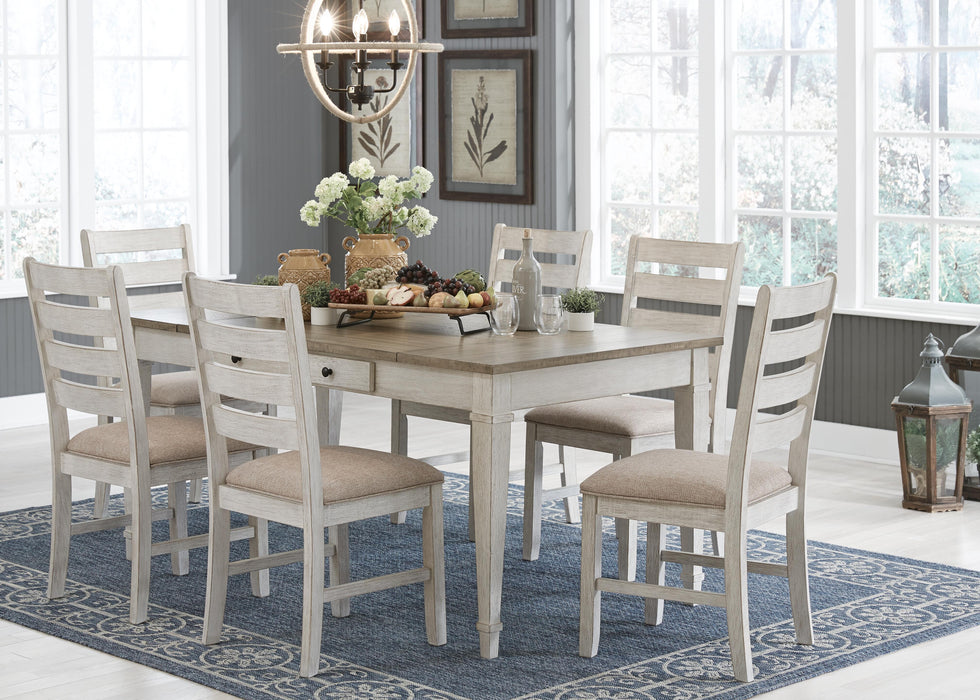
Key Takeaways
-
The perfect dining table and chairs balance room size, lifestyle, and comfort rather than focusing solely on aesthetics.
-
Measuring your dining room carefully, including walkways and door swings, is the essential first step before purchasing any dining set.
-
Table shape (round table versus rectangular table) and base style directly affect how social, spacious, and flexible your dining space feels.
-
Modern dining room furniture should support multiple uses like work, homework, and hobbies while maintaining a streamlined, uncluttered look.
-
Choosing durable, easy-clean materials and dining chairs that remain comfortable for at least an hour is critical for everyday living.
Introduction: Dining Furniture for the Way We Live Now
The formal dining room of past decades has transformed dramatically. In 2026, your dining area likely doubles as a home office, homework hub, craft zone, and entertaining space. Open-plan layouts mean the dining table is always visible, positioned between kitchen cabinets and living room sofas, constantly on display.
Selecting dining furniture for modern homes focuses on clean lines, functional minimalism, and high-quality materials like metal, glass, or solid wood. This shift makes choosing the right dining table and dining chairs more important than ever. A poor choice doesn’t just look wrong; it disrupts daily life, blocks circulation, and fails to support how your family actually lives.
This guide walks you through the essential decisions: size, shape, style, materials, comfort, and storage for dining room furniture. You’ll find concrete measurements, practical examples, and step-by-step guidance, not vague decorating tips. Whether you’re furnishing a compact apartment or an expansive great room, these principles apply.
Start With Your Space: Measure First, Shop Later
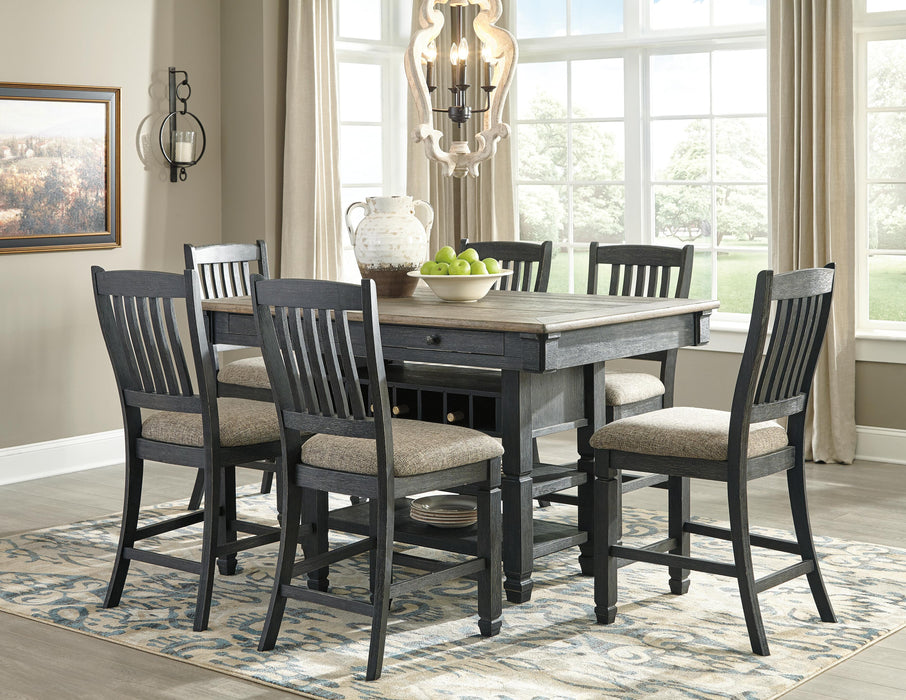
Accurate measurements prevent the most common mistake: buying a dining room table that overwhelms your room or blocks movement. Showrooms have high ceilings and wide aisles that make furniture appear smaller than it will feel in your home.
How to measure your dining room or zone:
-
Record the length and width of the space designated for dining
-
Note architectural features: windows, radiators, columns, and door swings
-
Mark doors and passageways, ensure chairs won’t block door arcs when pulled out
To avoid a cramped dining environment, subtract 3-4 feet from the length and width of your allocated space when measuring for a new dining table, allowing for comfortable movement around the table. This accounts for pulled-out chairs and a walk-in room.
A practical example:
For a 300 × 400 cm dining space, you need clearance of approximately 90 cm (about 36 inches) on all sides. This leaves a maximum table footprint of roughly 120 × 220 cm. However, a more realistic choice would be a table around 95 × 180 cm, which comfortably seats six while maintaining excellent circulation.
Ensure at least three feet (approximately 90cm) of space around the table for comfort and traffic flow. In high-traffic areas near kitchen doors or patio access, aim for 100-120 cm.
Pro tip: Tape the proposed table outline on your floor using painter’s tape. Walk around it, pull out existing chairs within this footprint, and observe pinch points. This simple test reveals problems no showroom visit can.
Choosing the Right Shape: Round, Rectangular, and Beyond
Table shape changes both the look and social dynamics of a modern dining space. Different dining table shapes can create different atmospheres; round tables promote a more casual and sociable feel, while rectangular tables can feel more formal and grand.
Round tables work best for:
-
Small dining rooms and square spaces
-
Open-plan corners where soft, flowing movement matters
-
Encouraging inclusive conversation (no “head” of the table)
-
Households of 3-6 people
The shape of your dining table should be determined by the dimensions and shape of your dining room; round tables are ideal for small or square spaces. A 100-110 cm diameter round table seats four comfortably; a 120-130 cm table accommodates up to six.
Rectangular and oval tables suit:
-
Long rooms and narrow layouts
-
Positions alongside a kitchen island
-
Maximizing seating in a constrained width
-
Formal occasions and dinner parties
Rectangular tables fit longer, narrow rooms where they can align with architectural lines. A typical width of 90-100 cm allows serving dishes in the center while seating guests comfortably on both sides.
Square tables make sense in compact city apartments and symmetrical dining nooks. A 90 cm square seats four (one per side), while a 135-150 cm square can accommodate eight.
When choosing a dining table, consider the size of your family, the size of your space, and how you intend to use the table, ensuring there is space for at least two extra chairs for guests.
Size and Seating: How Many People, How Often?
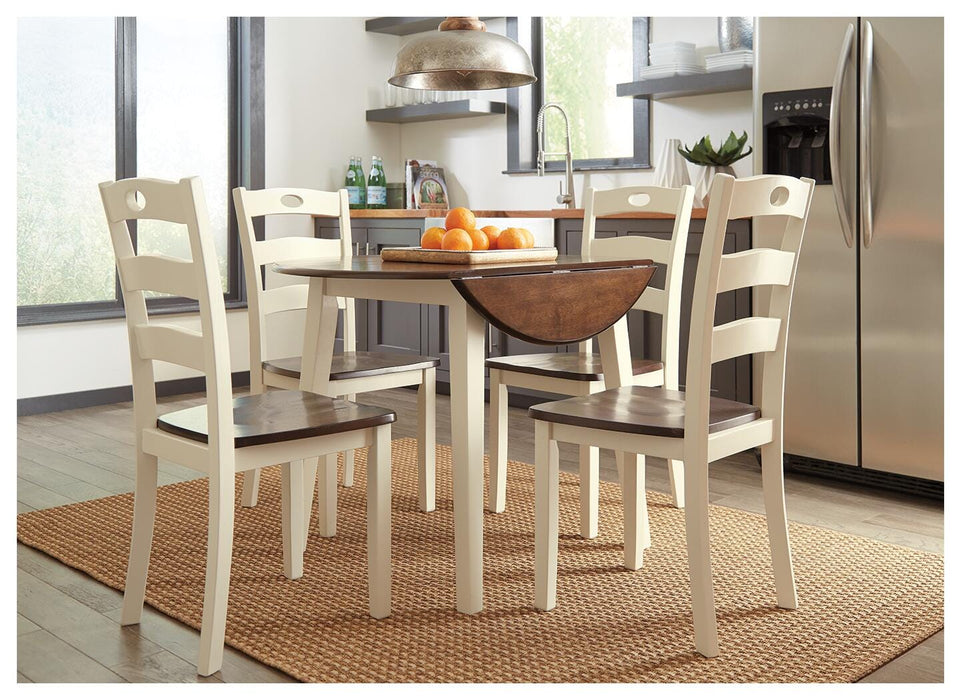
Decide your honest day-to-day seating needs before planning for rare large gatherings. A table sized for occasional holiday dinners will dominate your dining area year-round.
Capacity benchmarks for rectangular tables:
|
Seats |
Approximate Dimensions |
|---|---|
|
4 |
120-130 cm × 75-90 cm |
|
6 |
150-180 cm × 85-95 cm |
|
8 |
210-240 cm × 95-105 cm |
|
10+ |
270-300 cm × 100-110 cm |
Round table guidelines:
|
Seats |
Diameter |
|---|---|
|
2-4 |
75-100 cm |
|
4-6 |
110-130 cm |
|
6-8 |
140-160 cm |
Allow roughly 60 cm (24 inches) of width per person along the table sides. Less than 50 cm feels cramped, especially for adults during longer meals.
Extendable tables offer the best of both worlds in a small space. Keep the table compact for everyday use, then extend it for informal dining with guests. Types include drop-leaf, butterfly leaf, and separate insert leaves stored elsewhere.
When testing seating capacity, try adding a temporary chair at the end or switching to armless chairs. Benches along one side can accommodate more people than individual chairs, while tucking completely under the table when not in use.
Comfort Comes First: Selecting Dining Chairs You’ll Actually Use
Your modern dining room should feel comfortable for lingering conversations, laptop work, or kids’ projects, not just quick meals. Uncomfortable dining chairs mean people migrate to the sofa instead.
Key comfort factors:
-
Seat height vs table height: Standard dining tables measure 75-76 cm high. Comfortable dining chairs should have seat heights of 45-48 cm
-
Clearance: When selecting dining chairs, it’s important to ensure that there is approximately 12 inches (25-30 cm) of space between the seat of the chair and the table for comfort
-
Seat depth: 40-45 cm works for most adults
-
Back support: Prioritize dining chairs that support long meals, focusing on lumbar support, cushioning, and correct seat height relative to the table
Upholstered dining chairs can enhance comfort, especially in family homes where they may be used for long meals or gatherings. However, they require more maintenance, so look for performance fabrics with stain-resistant treatments.
Arms vs armless:
Armless chairs save space and slide under the table more easily. They allow closer chair placement when extra family members or guests need seating. However, modern chairs with arms provide better support for longer sessions and signal “host” positions at table ends.
Consider mixing seating types: a padded bench on one side for flexible, cozy seating, and slim chairs on the others. This creates visual interest while maximizing functionality in modern dining room layouts.
Materials and Finishes: Modern Looks That Survive Real Life
Modern dining furniture must balance sleek aesthetics with durability against spills, scratches, and daily wear. For a modern look, blend durability with minimalist aesthetics by choosing high-quality materials that are both functional and visually appealing.
Dining table materials compared:
|
Material |
Pros |
Cons |
|---|---|---|
|
Solid wood |
Warm, tactile, repairable |
Can warp; soft woods scratch easily |
|
Engineered wood/veneer |
Affordable, stable, consistent grain |
Deep scratches hard to repair |
|
Ceramic/sintered stone |
Scratch-resistant, heat-proof, stain-proof |
Heavy edges can chip |
|
Tempered glass |
Visually light, brightens small spaces |
Shows fingerprints; can scratch |
|
Metal tops |
Extremely durable, modern aesthetic |
Cold feel; some finishes show prints |
Choose durable materials such as hardwoods, glass, and metal for dining furniture in contemporary homes. Select oak, walnut, or teak for long-term durability in dining furniture materials; these species resist daily wear better than softer woods like pine.
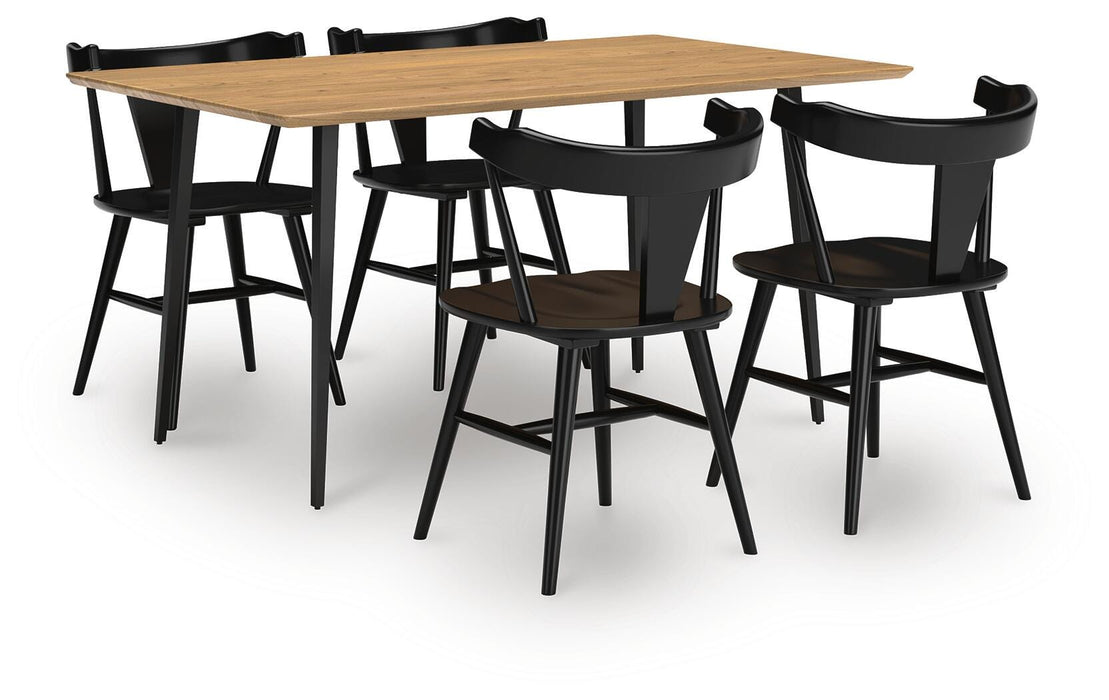
Contemporary designs often feature blends of mixed materials, like wood tops with metal legs for an industrial touch. This combination delivers visual interest while maintaining structural integrity.
Practical finishes for families:
-
Mid-tone woods hide dust and minor scratches better than very dark or pure white finishes
-
Matte or satin finishes show fewer fingerprints than high-gloss finishes
-
Performance fabrics on chairs resist stains and clean easily
Consider how natural light in your dining room affects color perception. North-facing rooms have cooler light that can make warm woods appear grey. View samples in your actual space at different times of day before committing.
Style and Interior Design: Matching Your Modern Home
Your dining set should feel integrated with your home’s overall interior design, not a separate style island. In open-plan layouts, this coherence matters even more since the dining area is always visible.
Pull cues from existing elements:
-
Kitchen cabinet color and style (flat-front, shaker, handle type)
-
Flooring tone (match closely or create deliberate contrast)
-
Sofa legs and accent colors
-
Lighting fixture finishes throughout the space
Dining furniture styles can range from traditional to modern, with options like farmhouse, industrial, and Scandinavian designs that cater to various aesthetic preferences. Choose what aligns with your existing decor rather than starting fresh.
Creating cohesion without rigid matching:
Mixing different styles of dining chairs with a table can create an eclectic look, allowing for a more personalized and unique dining space. Keep one unifying thread, color family, leg style, or material, to prevent visual chaos.
Using bold colors for dining tables can serve as a striking focal point in the room, enhancing the overall design and atmosphere. Even a single statement element draws the eye and defines the dining area within an open floor plan.
Use accessories to connect spaces:
-
Rugs define the dining zone without walls
-
Pendant lights or chandeliers anchor the table
-
Wall art incorporates colors from adjacent rooms
Functionality for Modern Living: Multi-Use Dining Spaces
Many dining rooms now double as home offices, craft areas, or kids’ study zones. Your furniture selections should accommodate this reality.
Features for multi-use tables:
-
Sturdy, flat surface that won’t flex under laptop weight
-
Minimum 140-160 cm length for simultaneous work and dining
-
Legroom on multiple sides (avoid bulky corner legs)
-
Rounded edge profiles that are comfortable when wrists rest on the surface
Storage solutions:
Dining rooms traditionally lack built-in storage, so sideboards and buffets are commonly used to provide both functionality and style, offering shelves and drawers for organization. These pieces can hide laptops, chargers, and homework supplies.
A hutch can be a stylish addition to a dining room, providing both display space for dinnerware and additional storage for items like linens and serving pieces. When selecting dining room storage, it’s important to ensure that cabinets and shelves can accommodate your dinnerware, with adjustable shelves and compartments for organization.
Flexible seating options:
-
Stackable chairs store away when not needed
-
Lightweight benches serve as seating, an extra surface, or a temporary coffee table
-
Folding chairs kept in a closet for dinner parties eliminate everyday clutter
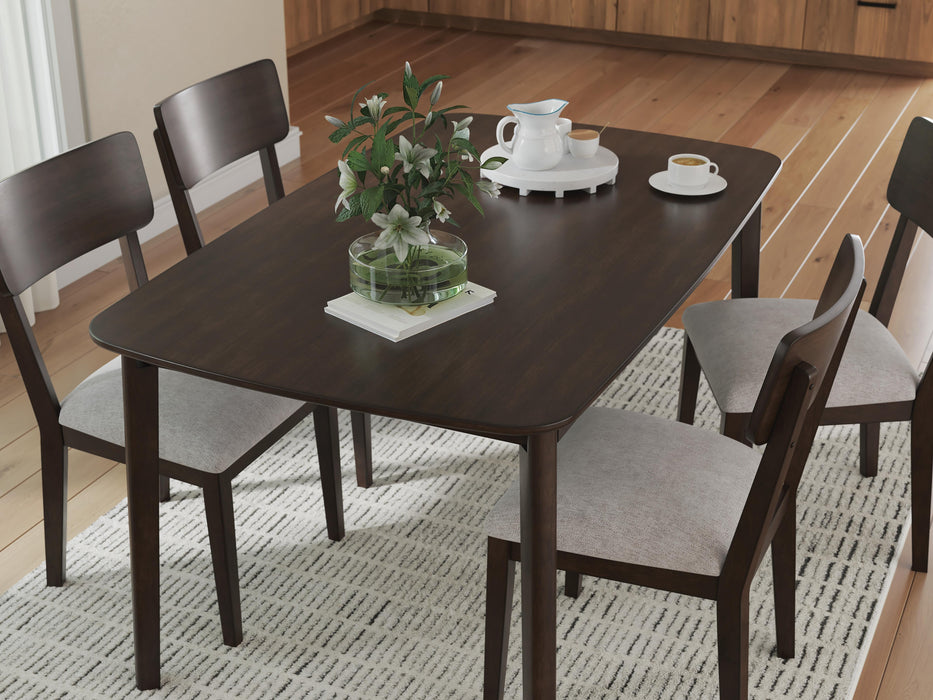
Layout Tips: Making the Dining Room Feel Comfortable and Open
Furniture placement can make the same dining set feel either cramped or airy. Strategic positioning maximizes both function and visual appeal.
Essential spacing rules:
To create a functional dining room layout, ensure there is sufficient space around the table for people to walk and easily get in and out of their chairs, ideally leaving about 3-4 feet of space on all sides.
When designing a dining room, consider how the space will be used; if it will be primarily for dining, prioritize leaving enough room between seating and other furniture to maintain an open feel.
Layout strategies by room type:
|
Room Type |
Recommended Approach |
|---|---|
|
Narrow rooms |
Use a rectangular/oval table aligned lengthwise; bench on one side |
|
Square rooms |
Center a round or square table; use visually light chairs |
|
Off the kitchen island |
Align the table length with the island; maintain a 100-120 cm gap |
|
Open-plan |
Use rugs and pendant lighting to zone the seating area |
Lighting considerations:
The atmosphere in your dining room depends largely on the way it is lit, and lighting fixtures should be placed around the room to make it easy to change the mood. Center your main lighting fixture over the table, not the room’s center.
Using large pendant lighting or a chandelier can create a dramatic effect in the dining room, drawing the eye upwards and adding visual interest to the space. Candles are considered elegant lighting options for dining tables, providing a warm and inviting ambiance during meals and special occasions.
Budget and Longevity: Investing Where It Matters
A quality dining table often lasts 5-10 years or more, making durability worth prioritizing over trendiness. Think of your large table as a long-term investment.
Investment hierarchy:
-
Table: Your primary investment. Solid construction with a timeless silhouette adapts across moves and style evolutions
-
Chairs: Can be updated, reupholstered, or replaced more easily. Consider moderately priced options that allow future changes
-
Accessories: Table linens, cushions, and decor offer low-cost seasonal updates
Balancing cost and quality:
-
Look for robust joinery (mortise-and-tenon in wood, solid welds in metal)
-
Even in budget ranges, solid wood tops outperform cheap veneers over particleboard
-
Simple finishes age better than ornate or high-gloss options
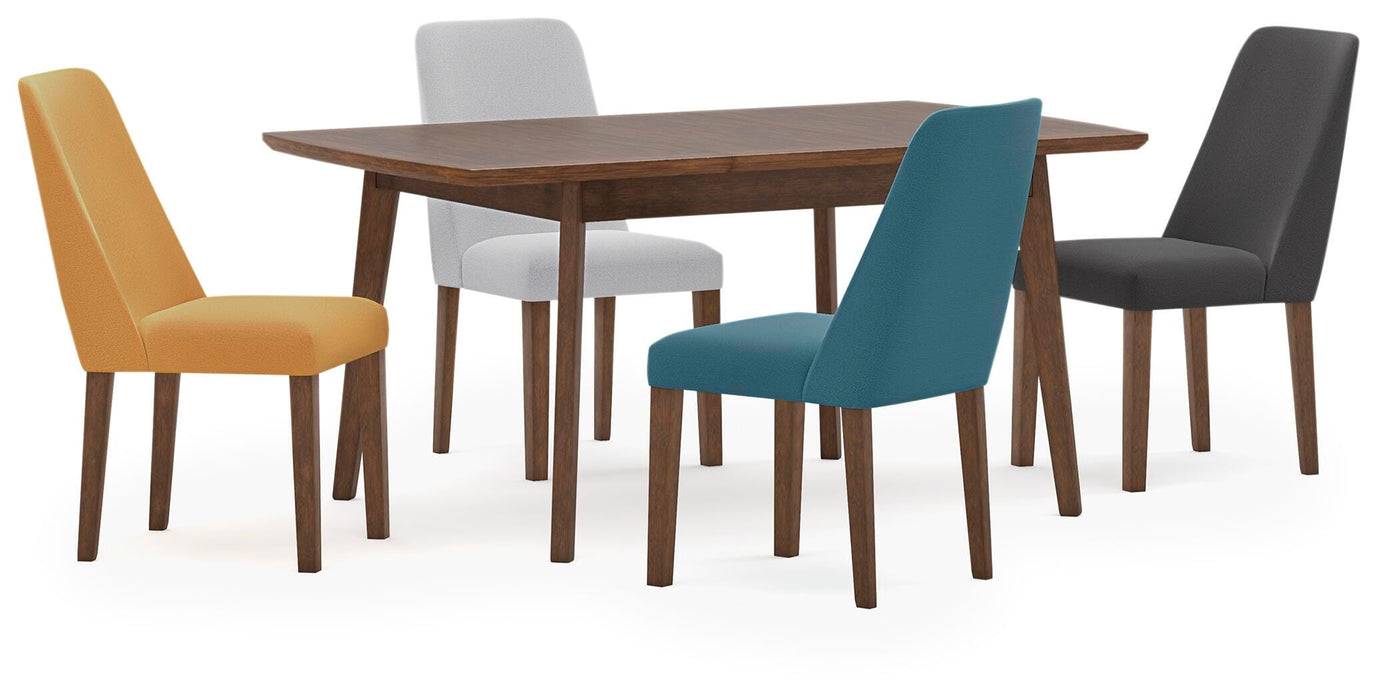
Choose neutral, timeless silhouettes, straight or gently tapered legs, simple rectangular or oval tops, that won’t feel dated in five years. Express current trends through textiles and decor that can be swapped affordably.
FAQs About Choosing Dining Furniture for Modern Homes
How do I choose between a round table and a rectangular table?
Round tables typically suit square or small dining rooms and encourage inclusive conversation since everyone faces the center. They’re particularly effective where corners would waste space or create traffic hazards.
Rectangular or oval tables fit long rooms and corridor-like open plans better. They maximize seating capacity within a narrow footprint, ideal alongside windows or when the dining zone runs parallel to a kitchen island.
Before buying, tape out both shapes on your floor. Walk around each outline, simulate pulling out chairs, and observe how movement flows. This practical test reveals the better choice for your specific space.
What is the most comfortable height for a modern dining table and chairs?
Standard dining table heights range from 75-76 cm (29-30 inches). Ideal dining chair seat heights sit between 45-48 cm (18-19 inches). Comfortable dining chairs should provide good back support and have seats that are comfortable for extended periods of sitting.
Maintain roughly 25-30 cm (10-12 inches) between the chair seat and the underside of the table for leg comfort. Be aware that thick table aprons or decorative skirts reduce effective clearance. Test chairs with your actual table when possible, especially if adding seat cushions that raise the sitting position.
Can I mix different dining chairs with one table, or should everything match?
Matching dining sets aren’t required in modern interior design. Intentional mixing often feels more current and personal. The key is maintaining one unifying element: a shared color family, similar material, or consistent leg style.
A practical combination: upholstered end chairs for more comfort at host positions, paired with slimmer wooden or metal side chairs that save space and add visual lightness. This balances function with style while avoiding the overly coordinated look of traditional sets.
How can I make a small dining room feel comfortable instead of cramped?
Choose a compact round table or a small extendable new dining table with slim legs or a pedestal base to free up floor space. Pedestal bases allow flexible chair placement without corner legs interfering.
Use armless dining chairs with open bases and light colors to minimize visual bulk. Wall-mounted shelves provide storage space without consuming floor area. A rug sized just larger than the table and chairs visually enlarges the perfect spot while defining the zone. Mirrors reflect light and create an illusion of expanded space.
What’s the best way to protect my new dining table from everyday wear?
Use placemats, coasters, and heat-resistant trivets daily, even on durable materials like ceramic or scratch-resistant glass surfaces. Prevention beats repair.
Choose a table with a finish appropriate to your usage level. For busy homes with kids and pets, slightly distressed or mid-tone finishes hide inevitable small scratches better than very dark espresso or pure matte white surfaces. Good food shared in good company matters more than pristine furniture, but simple daily habits keep your table looking great for years. Impress guests with how well your table has aged rather than stressing over every mark.
Start this weekend by taping out your ideal table footprint on the floor. Walk around it, sit in your current chairs within that space, and get a real sense of how your new dining table and chairs will fit in your home. Measure twice, buy once, and choose pieces that support how your family actually uses the dining area every single day.
Get Dining Room Furniture at Nova Furniture Gallery Today
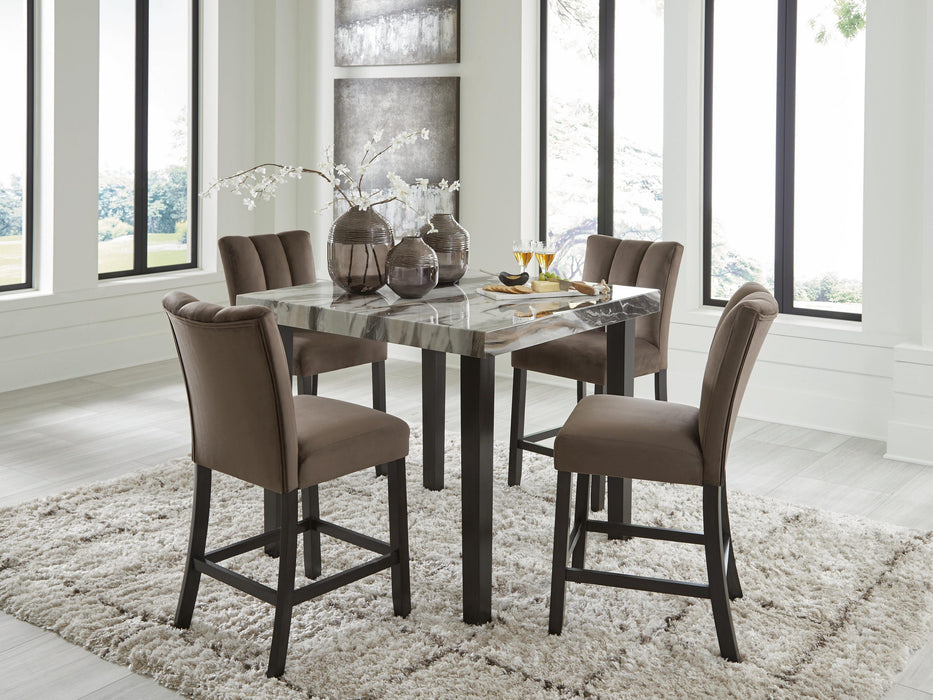
Create a warm and welcoming place for everyday meals and special gatherings when you get dining room furniture at Nova Furniture Gallery today. The right dining room furniture helps bring comfort, style, and functionality into your home while giving family and guests a place to connect and enjoy time together. Whether you are looking for dining tables, chairs, bar stools, or complete dining sets, quality furniture can help improve both the look and use of your dining space.
Now is the perfect time to refresh your dining area with furniture designed for everyday living. Get dining room furniture at Nova Furniture Gallery today and create a dining space that feels comfortable, inviting, and ready for every meal and occasion.
